 MOTVIVO

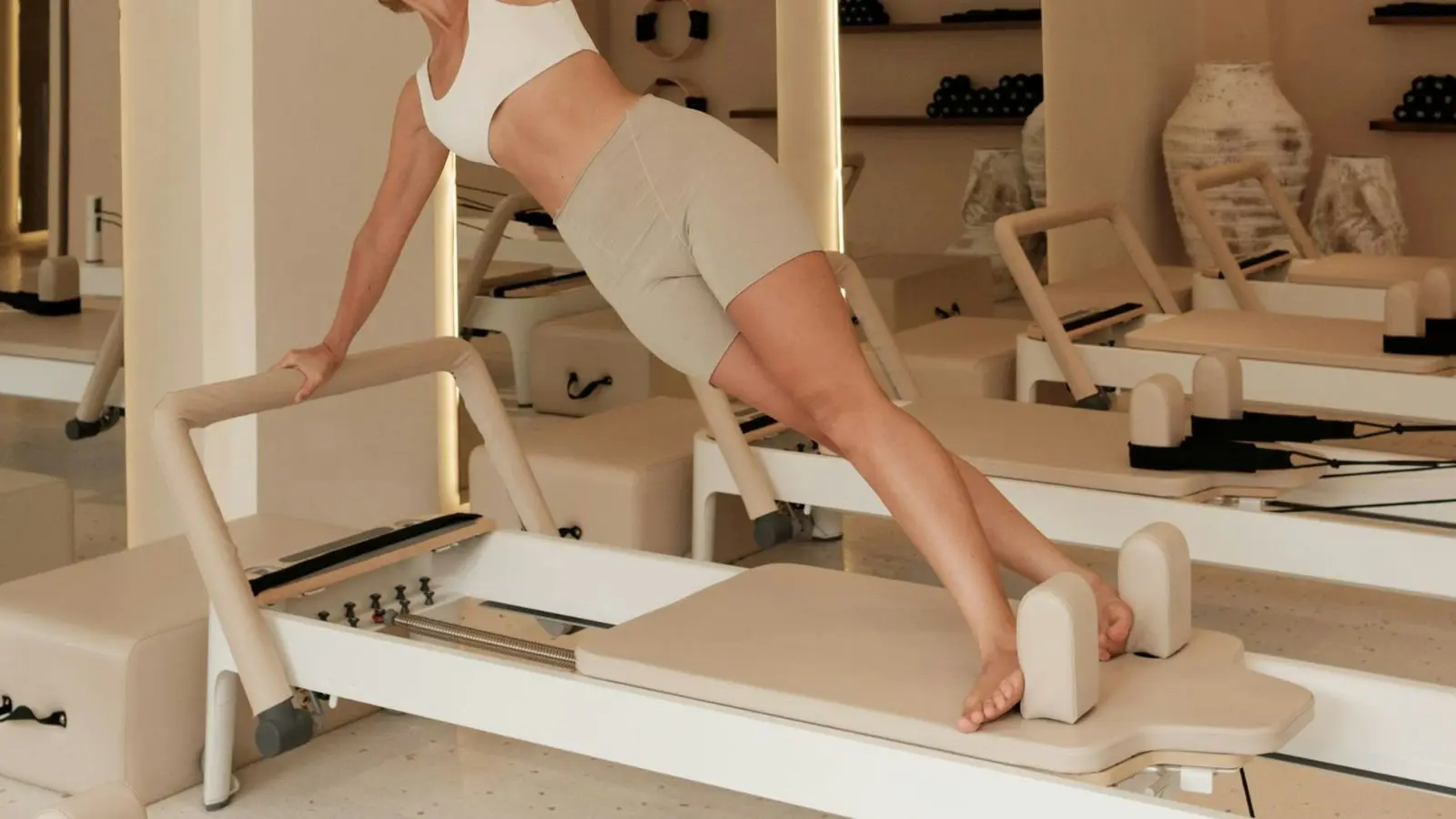
You teach Pilates, you have a following, and you keep picturing a studio of your own. Before you sign anything, you want to know whether the numbers work. This guide to how to open a Pilates studio gives you the costs to plan for (and how to price each in your city), a break-even sum you fill in yourself, and a checklist from the lease to your first 90 days.
How much does it cost to open a Pilates studio?
There is no honest single figure: rent, building work and equipment differ hugely between cities, and a mat-only studio is a very different project from a reformer room. List every cost, get real quotes and add them up, split into one-off costs (before you open) and monthly costs (once you are running).
The cost categories and how to estimate each
| Category | One-off or monthly | How to estimate it for your city |
|---|---|---|
| Space (rent, deposit, service charges) | Both | Ask two or three local agents for comparable units, the usual deposit and months paid up front. |
| Fit-out (floor, mirrors, lighting, air conditioning, changing room, toilet, reception) | One-off | Get written quotes from at least two contractors, plus a buffer for surprises. |
| Equipment (reformers, mats, small props, storage, music) | One-off, or monthly if you lease | Get quotes for new, refurbished and leased reformers, including delivery, assembly and servicing. |
| Insurance | Monthly or yearly | Ask a local broker for business, public liability and professional cover, including instructors. |
| Licences and permits | One-off, sometimes yearly | Ask your municipality and an accountant what applies to your premises and business type. |
| Instructors | Monthly | Decide employed or freelance, per class or per hour, and ask local instructors their rates. |
| Software (booking, payments, website) | Monthly | Compare published price lists. Add card payment fees, which depend on your provider. |
| Marketing (photos, signage, launch, ads) | One-off at launch, then monthly | Price a photographer and a sign; set a launch budget you could afford to lose. |
| Utilities, cleaning, laundry, accountant | Monthly | Ask the landlord or previous tenant for typical bills; get quotes from a cleaner and an accountant. |
| Opening reserve | One-off | Enough to cover several months of costs while the studio fills up. |
The opening reserve is the line people skip and the one that matters most. Studios rarely start full; you want calm decisions in month three, not desperate ones.
Is a Pilates studio profitable? Work out your break-even
A Pilates studio is profitable when it brings in more each month than it costs to run. The useful number is how many paying members cover your monthly costs: your break-even.
Members needed to break even = monthly fixed costs ÷ (average monthly income per member − costs per member)
Monthly fixed costs: rent, instructors, insurance, software, utilities, cleaning, accountant, marketing, loan or lease repayments.
Average monthly income per member: everything you take from members in a month ÷ number of paying members (memberships, packs and drop-ins together).
Costs per member: anything that grows with each member, such as card fees.
Example with made-up numbers (not typical costs, just to show the sum): say your fixed costs come to 6,000 a month, and an average member brings in 100 a month and costs you 5 in fees. 6,000 ÷ 95 = about 64 members to break even.
Then check it fits your room. If those 64 members come twice a week, that is 128 bookings: with 8 reformers, 16 full classes a week, or more if some aren’t full. If that is more than you and your instructors can teach, adjust the plan: a smaller space, fewer instructors at first, or different prices.
Where to open a Pilates studio
Open where the people you already teach can reach you easily, in a room that fits your reformers. Check five things before you sign:
- Near the people you already teach. Your first members will mostly know you. Map where they live and work.
- Easy for a 6:30 class and a lunch class. Parking, near offices or homes, safe in the dark.
- The room itself. Floor space and ceiling height for your reformers with room to walk between them, a solid floor, natural light, good air, somewhere to change.
- Neighbours and noise. Music and early classes need a landlord and neighbours who don’t mind.
- Lease terms. Length, break clauses, who pays for the fit-out, signage. Have a lawyer read it first.
How to start a reformer Pilates studio: classes and capacity
To start a reformer Pilates studio, decide your reformer count first: one person per machine, so no class is bigger than the number of reformers you own. Mat classes are more flexible and need far less equipment, so many owners start small with a mix.
- Mat only: the lowest start-up cost and the easiest way to open a small Pilates studio. Larger classes, lower prices.
- Reformer group classes: higher price, fixed capacity, more equipment and space.
- Mixed: reformers for most of your income, mat to fill quieter times and bring newcomers in.
- Privates and duets: high value per hour, good for clinical or beginner work.
Start with fewer, well-timed classes (early morning, lunch, early evening) and add more as they fill. A short timetable of full classes feels better than a long one of half-empty rooms.
How to price classes and hire instructors
Set prices from your break-even sum, not only from what others charge, and add instructors as the timetable fills rather than before.
Instructors
Many owners teach most classes themselves at first. When you hire, look for a teaching style that matches yours, check training and insurance, and agree in writing how instructors are paid and who covers when they are ill. Ask your accountant whether they should be employed or freelance.
Pricing structure
Keep it to a few clear options people understand in seconds:
- Drop-in: the highest price per class, for visitors and first tries.
- Class packs: say a 10-class pack with an expiry date, cheaper per class.
- Memberships: monthly, with a weekly limit (say two classes) or unlimited, for predictable income.
- An intro offer: a simple first step that leads into a pack or membership.
Check what studios near you charge, then test your prices against your break-even sum. Our guide to class packs vs memberships helps you choose the mix. With reformers, a no-show is a machine nobody else can use, so set your late cancellation policy before you open.
How to get your first members before you open
Sell before the doors open, with a founding member offer. It gives your first people a reason to commit early, and you income and confidence before launch.
- Limit the places or set a deadline, and say so.
- Make the benefit clear: a founding price kept while they stay, first pick of class times, or a welcome pack.
- Tell everyone you teach now, in person and in a message they can forward to a friend.
- Share the build: the empty room, the reformers arriving, the first class.
- Hold open days or free taster classes in the final week.
What to do in your first 90 days
Use the first three months to turn first visits into habits and test your plan against real numbers.
- Weeks 1 to 4: greet every first-timer by name, follow up after their first class, ask which times suit them. Move or drop classes that stay empty.
- Weeks 5 to 8: move intro-offer people onto packs or memberships. Ask happy members for a Google review and to bring a friend.
- Weeks 9 to 12: run a simple challenge to build the habit and check in with anyone who has not been for a while. Compare your numbers with your break-even sum.
Each week, check three things: how many members you have, how full classes are, and who has stopped coming. For the last one, see how to keep members coming back.
Pilates studio launch checklist
Copy this and tick it off as you go. Licences and permits depend on your country and municipality, so check locally which apply.
| When | To do |
|---|---|
| Planning | Quotes for every cost category; your break-even sum; mat, reformer or mixed; an accountant on business setup and tax. |
| Space | Shortlist locations; check the room fits your reformers; a lawyer reads the lease; ask the municipality what permits the premises need. |
| Fit-out | Contractor quotes and timeline; flooring, lighting, ventilation, changing area; order reformers early (delivery takes time). |
| Legal and insurance | Business registration; licences and permits that apply locally; insurance for you and your instructors; a waiver and health form checked by a local lawyer. |
| Team | Agree instructor pay and cover in writing; plan the opening timetable. |
| Offer | Drop-in, pack, membership and intro prices; cancellation and no-show rules; founding member offer. |
| Systems | Online booking and payments; website with your timetable; check-in at the door; email and phone details. |
| Marketing | Photos of the space and you teaching; shop sign; Google Business Profile; Instagram; launch message to everyone you teach now. |
| Launch | Open days and taster classes; first-class welcome; follow-up after each first visit. |
| First 90 days | Weekly check of members, class fill and who stopped coming; reviews; bring-a-friend; first challenge; compare with break-even. |
How MOTVIVO helps

- Members book in your own booking app in two taps, waitlists move people in automatically, and your cancellation and no-show rules apply the same for everyone.
- Sell memberships, class packs with credits and expiry dates, and drop-ins online (your own Stripe account) or at the desk.
- A club website with your live timetable and booking.
- Each morning, Today shows what’s worth doing (members on their last credit, regulars who haven’t been for a while), and Say hello prepares a welcome after someone’s first class for you to send.
See MOTVIVO for Pilates studios. The first 14 days are free with no card, then from €19 a month (pricing).
Questions
How much does it cost to open a Pilates studio?
It depends on your city, the space and whether you open with reformers or mat only. List the categories (space, fit-out, equipment, insurance, licences, instructors, software, marketing, opening reserve), get local quotes and add them up. Reformers and fit-out usually change the plan most.
Is a Pilates studio profitable?
It can be, once enough members pay to cover your monthly costs. Divide your monthly fixed costs by what an average member brings in (minus fees) to see how many members you need, then check that your timetable and reformers can hold them.
How do I open a small Pilates studio on a tight budget?
Start with mat classes or a few reformers, teach most classes yourself and keep the timetable short. Sell founding memberships before you open, so money comes in from the first day. Add reformers and instructors only as classes fill, and keep a reserve for the quiet first months.
What licences do I need to open a Pilates studio?
It depends on your country and municipality. Ask your municipality and an accountant which registrations, permits and insurance apply to your premises and type of business, and have a local lawyer check your lease and your waiver before you open.
How many reformers should I start with?
Enough to make your break-even timetable possible, and no more than the room fits comfortably. Each reformer is one place per class, so work backwards: how many bookings a week you need, divided by the classes you can teach, gives you the number of reformers.