 MOTVIVO

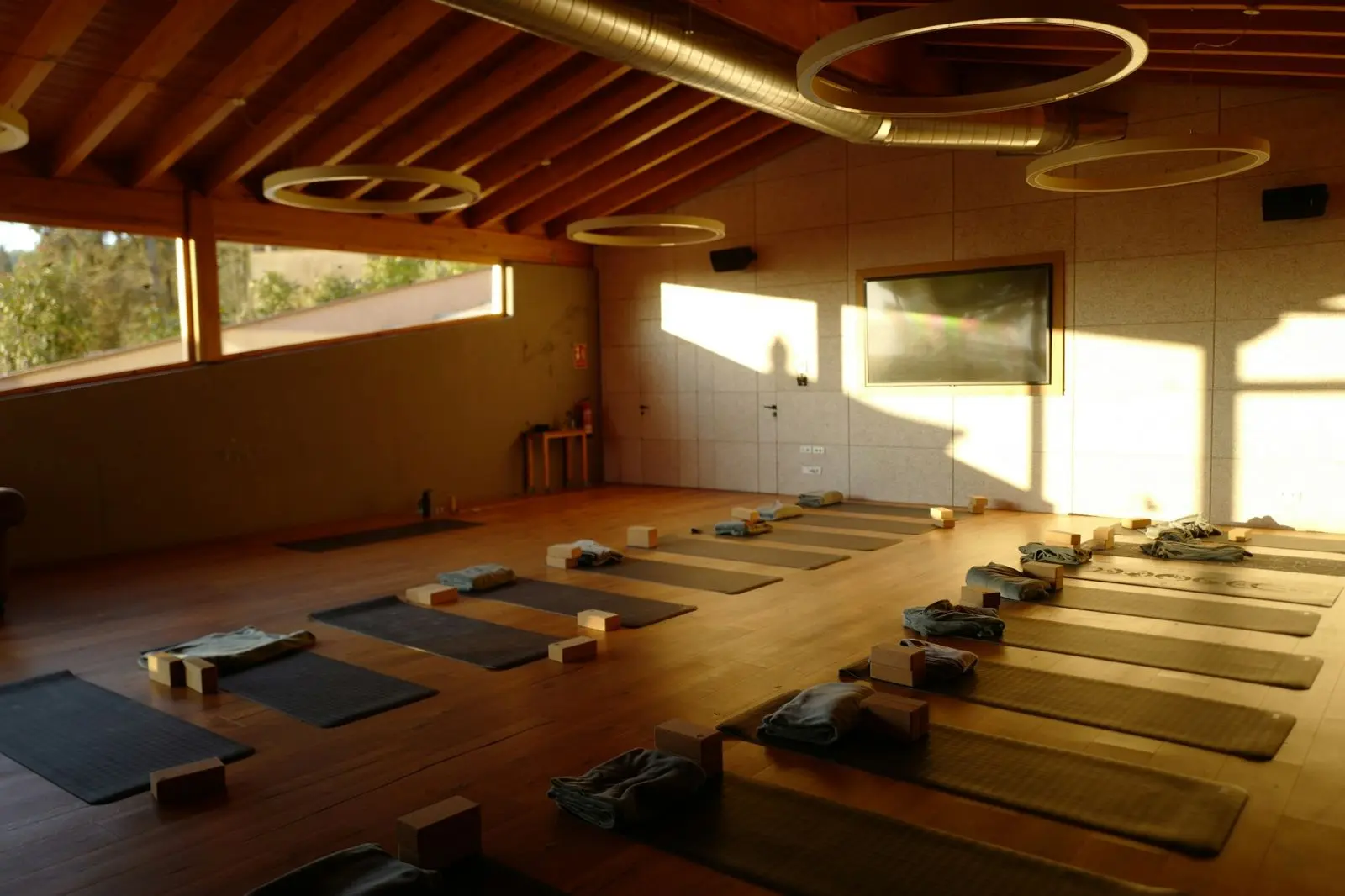
Your 6:30 reformer class was full last night, with three people on the waitlist. This morning two members cancelled an hour before, one simply didn’t come, and the people on the waitlist never got the spots. Nobody did anything wrong, because nobody knew the rule. This guide gives you a late cancellation policy template you can copy, and helps you choose the parts that matter: the cut-off, a fair no-show fee or lost credit, and simple ways to reduce no-shows and cancellations so the policy rarely has to be used.
Why your studio needs a late cancellation policy
A late cancellation policy protects the spot each member books, so that a full class really is full and the waitlist gets a fair chance. It isn’t about punishing people.
- Fairness. A booked spot is one somebody else couldn’t have. A clear rule tells everyone that their booking matters, and that other people’s bookings do too.
- Full classes. In small classes, every empty mat or reformer shows. An instructor teaching to gaps has a different evening from one teaching to a full room, and so do the members.
- Waitlists that work. A waitlist only helps if a spot opens early enough for someone to take it. Your cut-off decides how much notice the next person gets.
- Less awkwardness. Without a written rule, every late cancellation becomes a personal conversation. With one, you simply point to the policy everyone agreed to.
Curious what empty spots cost your studio? Put your own numbers into the no-show calculator.
How to choose your cancellation cut-off
Set your cut-off to the notice someone on the waitlist needs to take the spot. The cut-off is the point before class after which a cancellation counts as “late”, and there’s no single right answer. Ask yourself one question: how much notice does someone on the waitlist need to actually make it to class?
- Early morning classes. Someone on the waitlist for a 6:30 class needs to know the evening before. A cut-off measured in hours may still land in the middle of the night.
- Small, popular classes (reformer, small-group training) usually justify a longer cut-off, because each spot is scarce and often has a waitlist.
- Larger, flexible classes (a big mat class, open gym sessions) can live with a shorter one.
- Your members’ lives. Parents, shift workers and people who commute need some flexibility. A cut-off nobody can keep will just be ignored.
Whatever you pick, keep it to one simple number of hours that applies to every class of that type. “12 hours before class” is easy to remember. “Before 8 pm the evening before, unless it’s a weekend class” is not.
No-show fee or a lost credit: what to charge
Match the consequence to how the member pays: a used credit for class packs, and a small no-show fee or a booking pause for unlimited memberships.
Separate two situations: a late cancellation (they told you, but after the cut-off) and a no-show (they booked and didn’t come or tell you). Many studios treat a no-show a little more firmly, because a late cancellation at least lets the spot go to someone else.
If you’re still deciding what to sell, the guide to class packs vs memberships shows how each one shapes your rules. Before you charge money, check with a local lawyer or accountant what’s allowed where you are and how it must be stated in your terms.
Class packs and credits
This is the simplest case: the credit is used, just as if they had come. Say someone has a 10-class pack and late-cancels on Tuesday: they now have the same number of credits as if they had attended. No extra fee, no invoice, nothing to chase.
Unlimited memberships
An unlimited member loses nothing by skipping a class, so the rule needs a different kind of weight here. Your options:
- A small late-cancellation or no-show fee.
- A short booking pause after repeated no-shows (for example, no new bookings for a few days).
- A friendly first warning, with the fee or pause only after that.
Memberships with a weekly or monthly limit
If a membership includes, say, 8 classes a month, a late cancellation can simply count as one of those classes. It works like a credit and needs no extra money.
Drop-ins
If they paid in advance, the payment stays with you after the cut-off. If they planned to pay at the desk, the honest answer is that there’s little you can do, which is a good reason to take drop-in payment when people book.
Late cancellation policy template you can copy
Here is a complete late cancellation and no-show policy. Copy it, replace the parts in [brackets], and remove what doesn’t apply to your studio. Keep it short: a policy people can read in thirty seconds is a policy they’ll actually follow.
Our cancellation and no-show policy
Our classes are small, and many have a waitlist. When you book, you’re holding a spot someone else would love to have. So we ask:
Cancel at least [12] hours before class. You can cancel in the booking app any time before then, free of charge. Your credit or class goes straight back to you, and your spot goes to the next person on the waitlist.
Late cancellations (less than [12] hours before class): with a class pack, the credit is used. With a membership that has a monthly limit, the class counts towards it. With an unlimited membership, [a late-cancellation fee of €__ applies / it counts as a no-show].
No-shows (booked, didn’t come, didn’t cancel): with a class pack, the credit is used. With a membership, [a no-show fee of €__ applies / after [2] no-shows in a month, new bookings are paused for [__] days].
Running late? Please let us know. After [5] minutes we may give your spot to someone waiting, for your safety and out of respect for the class.
Life happens. If you’re ill or there’s an emergency, talk to us. We’d rather you stay home and get well.
This policy applies to everyone in the same way. Thank you for helping us keep classes full and fair. [Studio name]
The numbers in brackets are examples to replace, not recommendations. Choose yours using the questions above.
How to communicate the policy and apply it consistently
Show the policy where members already are, before it matters to them, and apply it the same way every time. A rule nobody sees, or that only some people follow, doesn’t work.
- At sign-up. Make it part of your terms, in a short, readable form.
- When they book. One line next to the class: “Free cancellation until 12 hours before.”
- In the reminder before class, so cancelling in time is one tap away.
- On your website and at the desk. The same wording everywhere.
When you introduce a policy, or tighten an existing one, tell members in advance and explain why: full classes and a fair chance for people on the waitlist. Many members welcome it, because they’re often the ones on the waitlist.
Consistency is what makes it fair
The fastest way to undo a policy is to apply it to some members and not others. If the regular who brings you coffee is let off and the newcomer isn’t, people notice. Apply the rule the same way every time, ideally automatically, so it isn’t a decision anyone has to make at the desk.
Exceptions
Exceptions are fine, as long as they’re for reasons, not for people. Decide in advance which ones you accept, for example illness, a family emergency, or the studio changing the class. Let staff give a credit back in those cases, and note why. A kind exception often builds more loyalty than the fee would ever have earned.
How to reduce no-shows and late cancellations
Reduce no-shows by making it easy to cancel in time and hard to forget the class. The best policy is one you rarely need to use, and these habits prevent many no-shows before they happen:
- Send a reminder before the cut-off, not after it. A reminder gives people the chance to cancel in time, which frees the spot for someone else.
- Make cancelling easy. If cancelling means calling the desk, people don’t cancel, they just don’t come. A cancel button in the booking app turns a no-show into a freed spot.
- Use a waitlist that moves people in automatically. When someone cancels, the next person gets the spot and a message, without anyone at the studio doing anything.
- Mark no-shows every class. If you don’t record them, you can’t apply the policy or see who needs a friendly word.
- Talk to repeat no-shows. Often there’s a reason: a new job, a timetable that no longer fits. A short conversation can move them to a class they’ll actually come to. The guide to keeping members coming back has more on spotting and welcoming back people who drift.
- Book together. When a friend is expecting you at class, skipping it is harder. Letting members book classes with friends builds that in.
How MOTVIVO helps
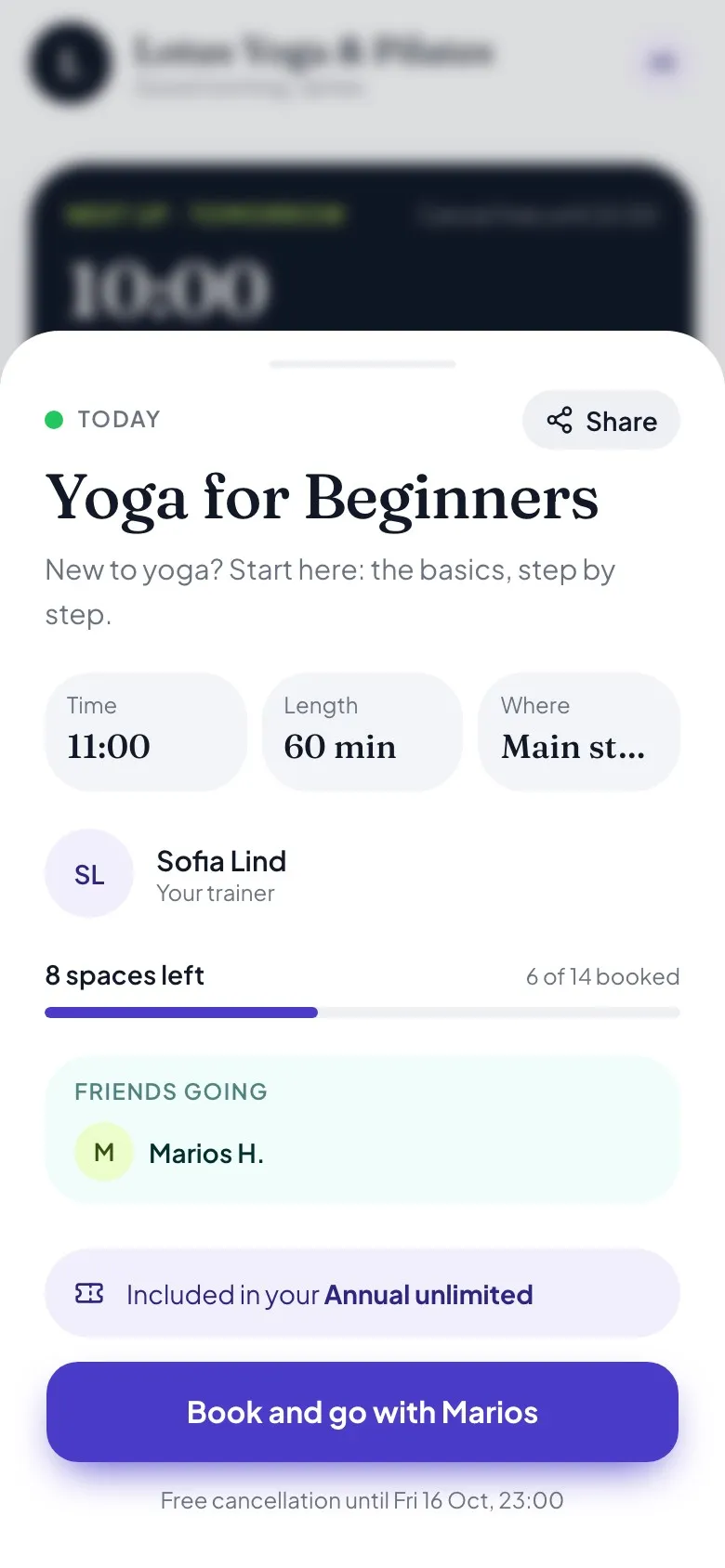
- You set your cancellation cut-off and late-cancel and no-show rules once, and they’re applied the same for everyone.
- Members book in two taps in your studio’s own booking app, with optional reminders before class.
- Waitlists move people in automatically when a spot opens, and staff mark no-shows in one go after class.
- Members see whether a class uses their membership or their credits before they book, so there are no surprises.
See how it works in class booking. The first 14 days are free, no card needed, then from €19 a month.
Questions
What is a late cancellation policy?
A late cancellation policy is a short rule that says how far before class members can cancel for free, and what happens if they cancel after that point or don’t come at all. For example, a class pack credit is used, or a membership holder pays a small fee.
How many hours before class should the cancellation cut-off be?
There’s no single right number: choose the notice someone on your waitlist needs to make it to class. Small, popular classes and early-morning classes usually need more notice than large, flexible ones. Keep it to one simple number of hours that members can remember.
Should I charge a no-show fee?
It depends on how the member pays. For class packs, a used credit is usually enough. For unlimited memberships, a small fee or a short booking pause after repeated no-shows gives the rule some weight. Before charging money, check with a local lawyer or accountant what’s allowed and how it must appear in your terms.
How do I reduce no-shows without upsetting members?
Send reminders before the cut-off, make cancelling one tap in the booking app, use an automatic waitlist, and apply the rule the same way for everyone. Allow exceptions for clear reasons like illness, and talk to repeat no-shows before you charge them.
Should late cancellations and no-shows be treated the same?
Not necessarily. Many studios treat a no-show more firmly, because a late cancellation still gives someone on the waitlist a chance at the spot. Whatever you choose, write both cases into the policy so members know exactly what to expect.